









 Teenager
 Student
 Career (searching)
 Party!
 On the plane
 Travel friendly
 Day trip
 Postcards
 Beauty gifts
 <3 Gift Card
 7-Skin Method
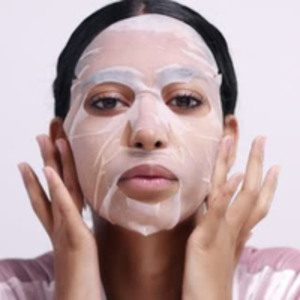 1 Day 1 Mask
 Best of K-beauty
 Face Gym
 Glass skin
 Haru Haru Exclusives
 Fashion & Lifestyle

 1. Cleansing
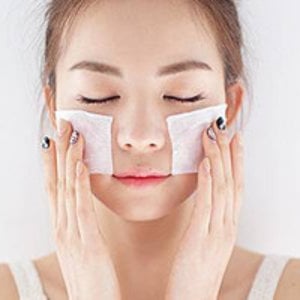 2. Toner
 3. Eye cream
 4. Treatment / Boost
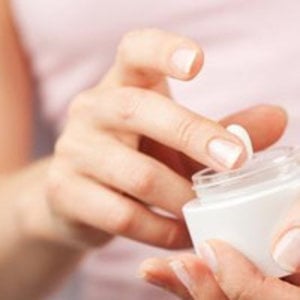 5. Moisturizer
 6. Sun protection
 6. Night treatments
 Skin type - Normal
 Skin type - Dry
 Skin type - Oily
 Skin type - Combi
 Skin type - Sensitive
 Skin concern - Dehydrated
 Skin concern - Pigmentation
 Skin concern - Acne
 Skin concern - Wrinkles
 How much should I use?
 Applications and handlings
 Sequence and waiting times
 Mask guideline
 Recycle & upcycle
 Natural vs. synthetic
 Clean vs. dirty beauty
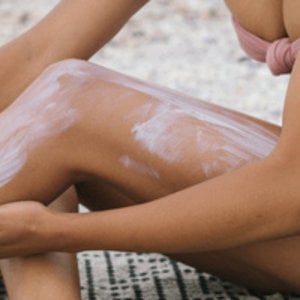 Mineral vs. chemical UV filter
 Open and closed pores
 Oils are bad for oily skin types
 No makeup, no double cleansing
 No sun, no sunscreen
 Scary acids
 Oily skin, no moisturizer
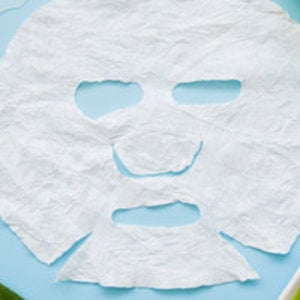 Sheet Masking Tips
 7 Skin Method
 Pigmentations & dullness
 Wrinkles & lines
 Acne & pimples
 Enlarged pores
 Oil control
 ⤷ Sebum production
 Ingredients
 Glossary
 FAQ: kbeauty
 Workshops
 Skintype quiz
 Routine quiz
 Acne quiz














-
All products are added to your cart.
Clean vs. dirty beauty
Clean beauty: Products formulated exclusively or largely with ingredients considered 'clean and safe' for humans and the environment.
Non-clean / "dirty" beauty: A marketing term for products containing ingredients popularly labeled as harmful or unsafe.
Myth: "Clean beauty is safe by definition, and the rest of cosmetics is not."
Fact: Cosmetics manufacturers never intentionally put dangerous ingredients into their products, as this would directly lead to severe health risks and lawsuits. Every product must pass rigorous safety tests before it can be sold on the market.
The 'clean beauty' label offers absolutely no guarantee that a product is completely safe for your skin; the possibility of a personal allergy or irritation always remains. Furthermore, the term 'clean' is a vague, legally unprotected marketing concept that is eagerly utilized by the beauty industry.
Additionally, consumers often hold persistent misconceptions about certain 'non-clean' ingredients, such as parabens and silicones. Manufacturers sometimes avoid these substances purely out of marketing considerations ('fearmongering'), even though a traditional ingredient can often be safer, more stable, and even more environmentally friendly in practice than a 'clean' alternative.
Therefore, always evaluate the complete product, the formulation's background, and the brand's reliability, rather than blindly trusting a trendy 'Clean Beauty' label.